Today’s Headlines
■ Carr Forces EchoStar to Create $2.4 Billion Escrow Account
■ Gov. Pritzker (D) Wants Illinois’ $1 Billion BEAD Plan Approved Now
■ Gigi Sohn Wants Private Equity Out of Broadband
■ Easton Utilities’ RDOF Default a Little Different from Others
■ Politico Calls Starlink ‘Relatively Unproven’ and Might Not Work
■ Rep. Pallone Wants Answers from Big Retail on ‘Surveillance Pricing’
■ Appalachian Power: Comcast Wants to Pay $100 for a New Pole
■ Sen. Barrasso Previews NEPA Reform Bill to Cut Permitting Delays
■ Sen. Capito (R) Cruises to Primary Election Win
■ Free State Foundation Announces Speakers for 20th Anniversary Event
■ Great Plains Wins Reader Poll As Top ISP in Southeast Indiana
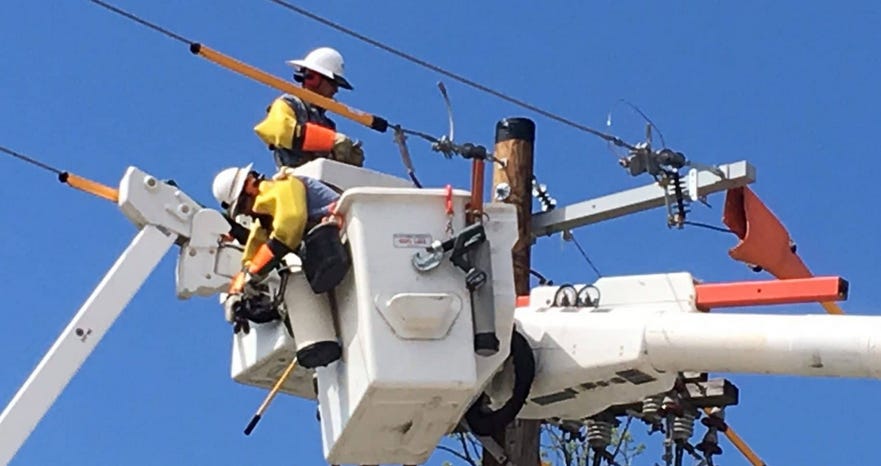
Poles: A new analysis warns that billions of dollars in pole‑related expenses could complicate the nation’s largest-ever, taxpayer-backed broadband buildout. Researchers Alex Karras and Michael Santorelli of the Advanced Communications Law & Policy Institute at New York Law School said Tuesday that BEAD projects are expected to involve 3.9 million utility‑owned poles across 2,053 electric utility service territories, driven by 188,287 planned miles of aerial fiber. The FCC has authority over investor-owned electric utilities (IOUs) in 27 states while state regulation prevails in the other 23 states. Electric co-ops and municipal electric utilities are overseen by the states, which regulate one, both, or neither. The study estimated pole‑related costs could range from $534 million to $4.63 billion nationwide, depending on make‑ready work and replacement rates. “Pole disputes involving ISPs and electric utilities always occur, but they are becoming more contentious given the costs and stakes involved in ongoing deployments. Indeed, ISPs looking to leverage BEAD funds will soon be on the clock as they race to meet statutory buildout deadlines,” Karras and Santorelli said. “Costs are already rising for materials and labor, so adding unexpected pole-related costs to the calculus could delay some projects and cancel others.” (More after paywall)