Today’s Headlines
■ UBS Analyst John Hodulik Expects Weak Q3 from Charter
■ Sen. Ben Ray Luján Wants Special AI Panel
■ Gray Media Expects to See a Bump in Q3 Political Ad Revenue
■ Sinclair Rebrands Lost ABC Affiliate in St. Louis
■ Ookla Targets Fiber ISPs Ripe for Acquisition
■ Bull Moose Project Calls on FCC to Deregulate Radio Ownership
■ New NVIDIA Platform Designed to ‘Container’ Rogue AI Agents
■ Verizon: Full SSNs for Lifeline Verification a Risk to Data Security
■ Ryan Giachetti Named General Counsel of House Energy and Commerce
■ Comporium Inks Amplifier Deal with Finland’s Teleste
■ Verizon to Report Third‑Quarter Results on Oct. 26
■ Mediacom Expands Fiber in New London, Conn.
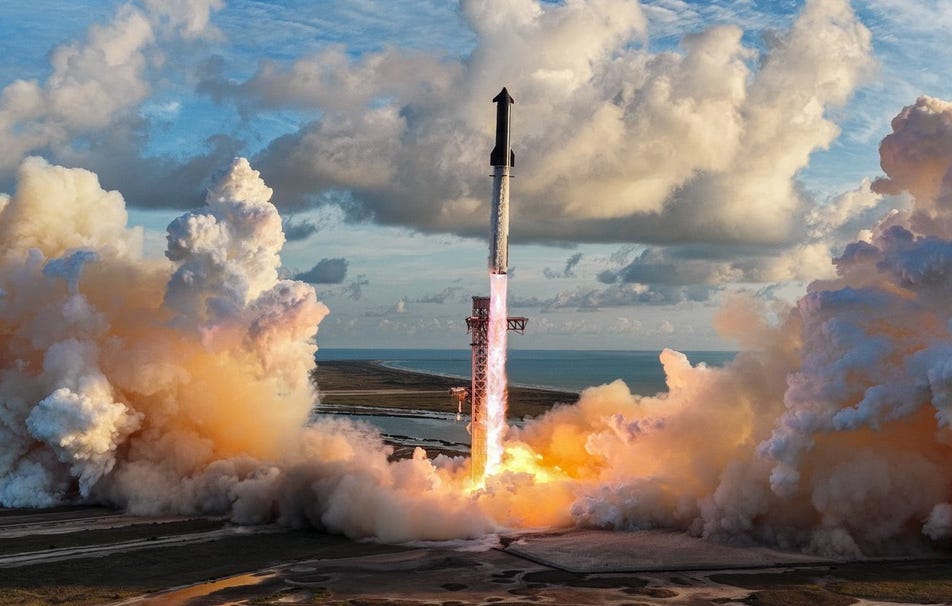
LEO: Starlink’s new and far more powerful LEO satellites raise the stakes for rural broadband ISPs and perhaps one day for ISPs covering high-density markets. SpaceX’s latest generation of Starlink spacecraft, known as V3, is poised to intensify competitive pressure on terrestrial broadband providers, particularly in rural and hard-to-reach areas that have long struggled with slow speeds and limited coverage. The 26 high‑capacity V3 satellites were delivered to orbit for the first time on Sept. 28 by SpaceX’s massive Starship rocket. The V3s are designed to dramatically expand Starlink’s network throughput. Each V3 satellite can support roughly 1 terabit per second of downlink capacity and 160 gigabits per second of uplink capacity, a jump of about 10 times and 22 times, respectively, over the company’s V2 models.
“It really was a spectacular milestone in a lot of ways,” Craig Moffett, Senior Research Analyst at MoffettNathanson, told CNBC. (More after paywall)